
Celebrating Black Culture
The Everlasting Influence of the Black Cultural Renaissance
The essence of Black culture, a rich mosaic of literary mastery and jazz’s soulful vibrations, echoes a timeless cultural renaissance. This exploration delves into the profound legacy of the literary and musical virtuosos whose seminal works form the bedrock of Black artistic identity and expression.
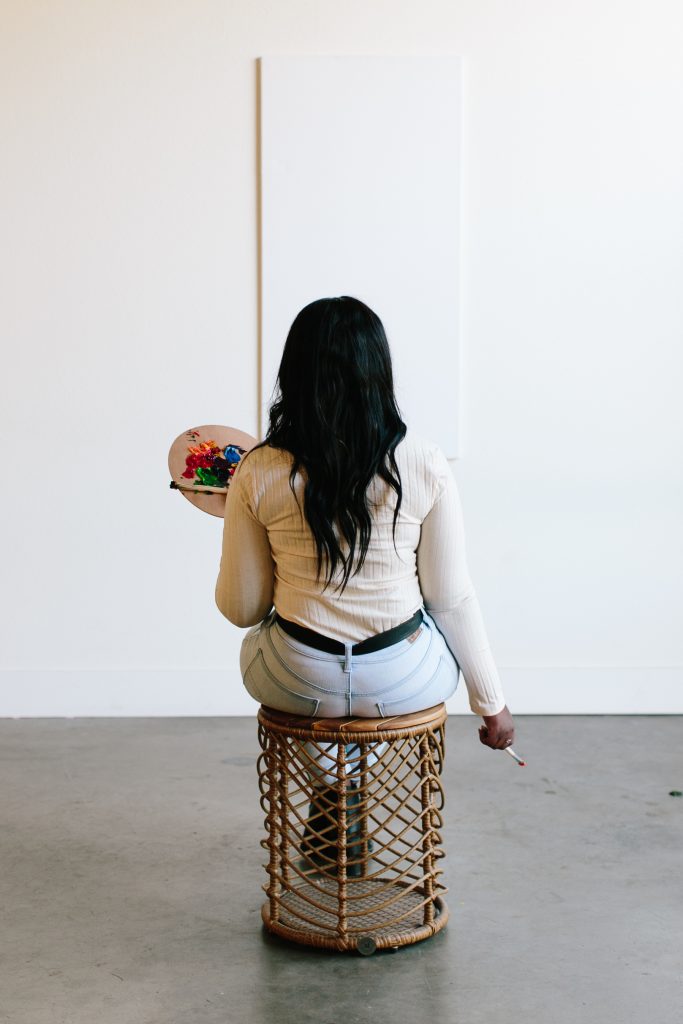
“Hold fast to dreams, for if dreams die, life is a broken-winged bird that cannot fly.”
During the Harlem Renaissance, an era of unparalleled creativity, Black literature and music intertwined, birthing a narrative of transformation. Visionaries like Langston Hughes and Zora Neale Hurston became emblematic of Black eloquence, molding a collective consciousness craving recognition and parity. Hughes’ stirring verse, “Hold fast to dreams, for if dreams die, life is a broken-winged bird that cannot fly,” embodies the spirit of hope and the imperative of perseverance.
“
The celebration of Black culture is a journey of continuous evolution, an invitation to each of us to contribute to an enduring legacy. It is a testament to the unbreakable spirit of a people who have wielded their art as both a bastion and a declaration of self.”
Zora Neale Hurston’s “Their Eyes Were Watching God” intricately depicted the African American odyssey towards resilience and self-discovery. Through vivid storytelling and authentic dialect, Hurston’s work laid bare the complexities of Black existence, weaving together its hardships and triumphs. The Harlem Renaissance thus emerged not just as an artistic endeavor but as a pivotal force for social change, paving the way for subsequent civil rights advancements.
The jazz movement, integral to the Harlem Renaissance, provided a vibrant soundtrack to this period of cultural efflorescence. Giants like Duke Ellington and Louis Armstrong crafted melodies that voiced the multifaceted nature of Black life, utilizing jazz as an expression of resistance, identity, and community solidarity.
Celebrating Black Culture
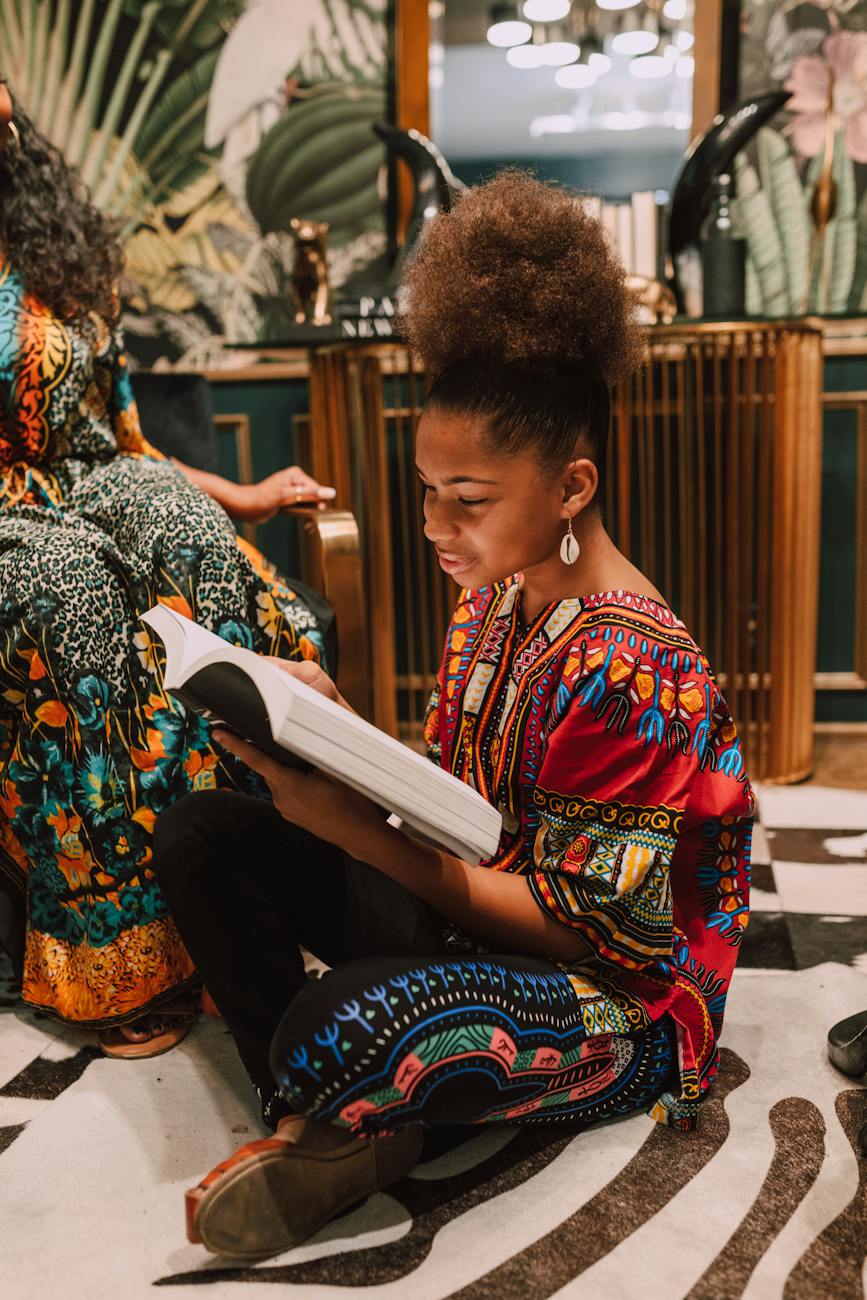
As we reflect on the arc of Black cultural achievements, Lorraine Hansberry’s “A Raisin in the Sun” stands as a crucial cultural touchstone. This work, portraying the aspirations and tribulations of a Black family, encapsulates the African American pursuit of belonging. Its enduring appeal, evidenced by Broadway revivals, attests to its universal resonance.
To honor the legacy of these cultural luminaries is to recognize their indelible impact on contemporary Black creators and the broader cultural milieu. Today, figures like Ava DuVernay and Ta-Nehisi Coates extend this heritage, weaving narratives that challenge conventions and authentically depict the Black experience.
This piece concludes by urging readers to engage with and advocate for the continued narrative of Black artistry, highlighting the significance of preserving a cultural renaissance that defines and enriches Black identity and experience. In doing so, we celebrate the creativity and resilience of artists across eras, ensuring a vibrant legacy for future generations.
Recommended Links:
- The Harlem Renaissance: Art of Black America – An exploration of the Harlem Renaissance’s impact on Black cultural identity.
- Langston Hughes and The Dream of America – Delving into Hughes’ poetry and its reflection of the African American dream.
- Zora Neale Hurston’s Legacy and Literature – A comprehensive look at Hurston’s contribution to African American literature.
- Jazz in America: The Harlem Renaissance – An examination of jazz’s role in the cultural awakening of the Harlem Renaissance.
- A Raisin in the Sun: Lorraine Hansberry’s Reflection on Black Family Life – Insights into Hansberry’s play and its significance in African American culture.